
The Role of Edge Computing in IoT
Innovarte Team
Editorial
The Limits of the Cloud
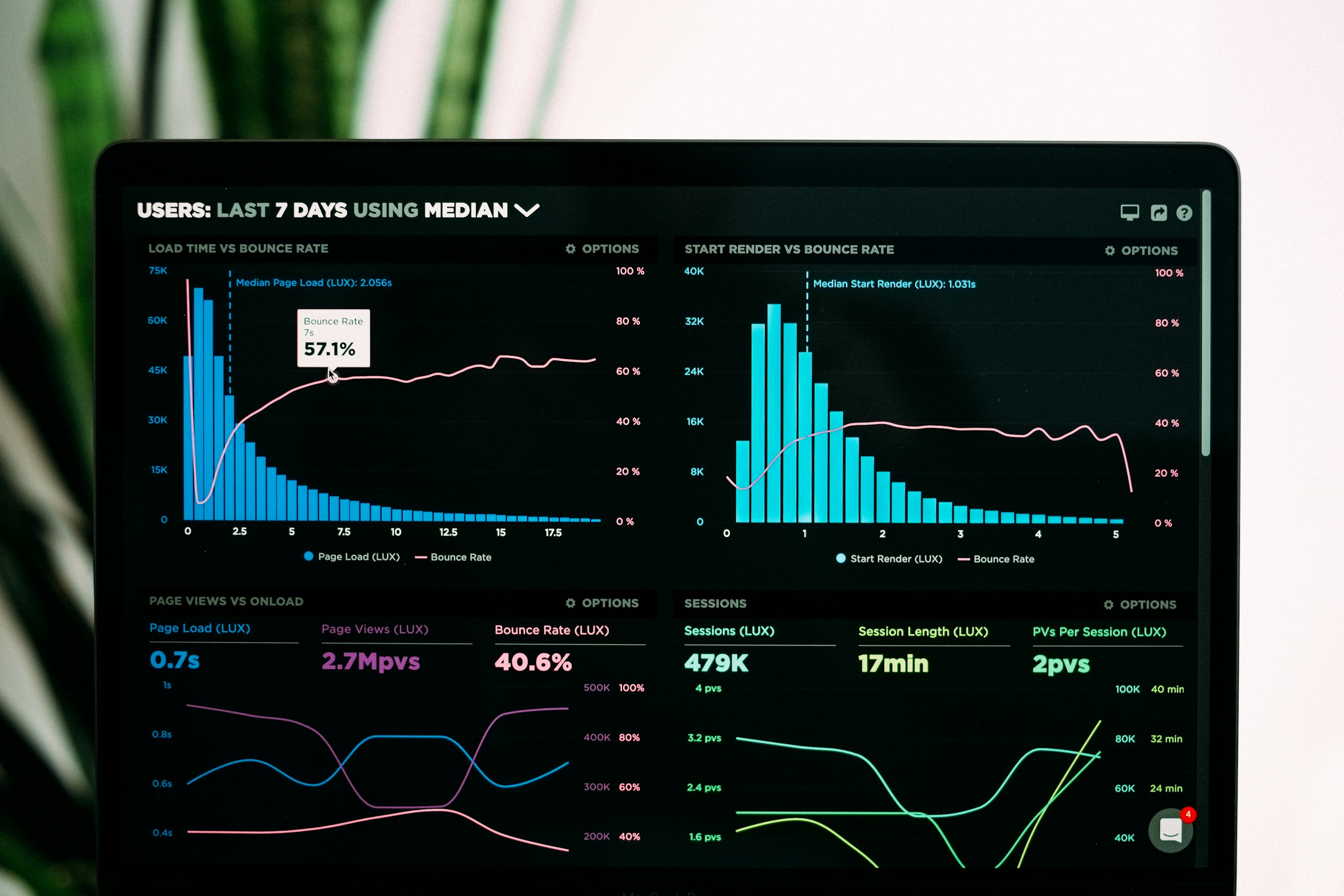
Innovation requires a solid foundation. Photo: Innovarte
The standard architecture for the Internet of Things (IoT) has historically been simple: deploy thousands of sensors, stream all the raw data to a centralized cloud, process it, and send commands back. While this works for smart thermostats, it completely breaks down in industrial, high-stakes environments. When our teams deploy IoT solutions in manufacturing plants, mining operations, or smart grids across Africa, the cloud-only model is fundamentally inadequate.
The limitations are physics and economics. Sending terabytes of high-frequency vibration data from a remote mining site over a fragile cellular connection is prohibitively expensive and often impossible due to bandwidth constraints. Furthermore, the latency introduced by a round-trip to a cloud data center is unacceptable for real-time control systems. If a robotic arm detects an anomaly, it needs to shut down in milliseconds, not seconds.
Pushing Compute to the Edge
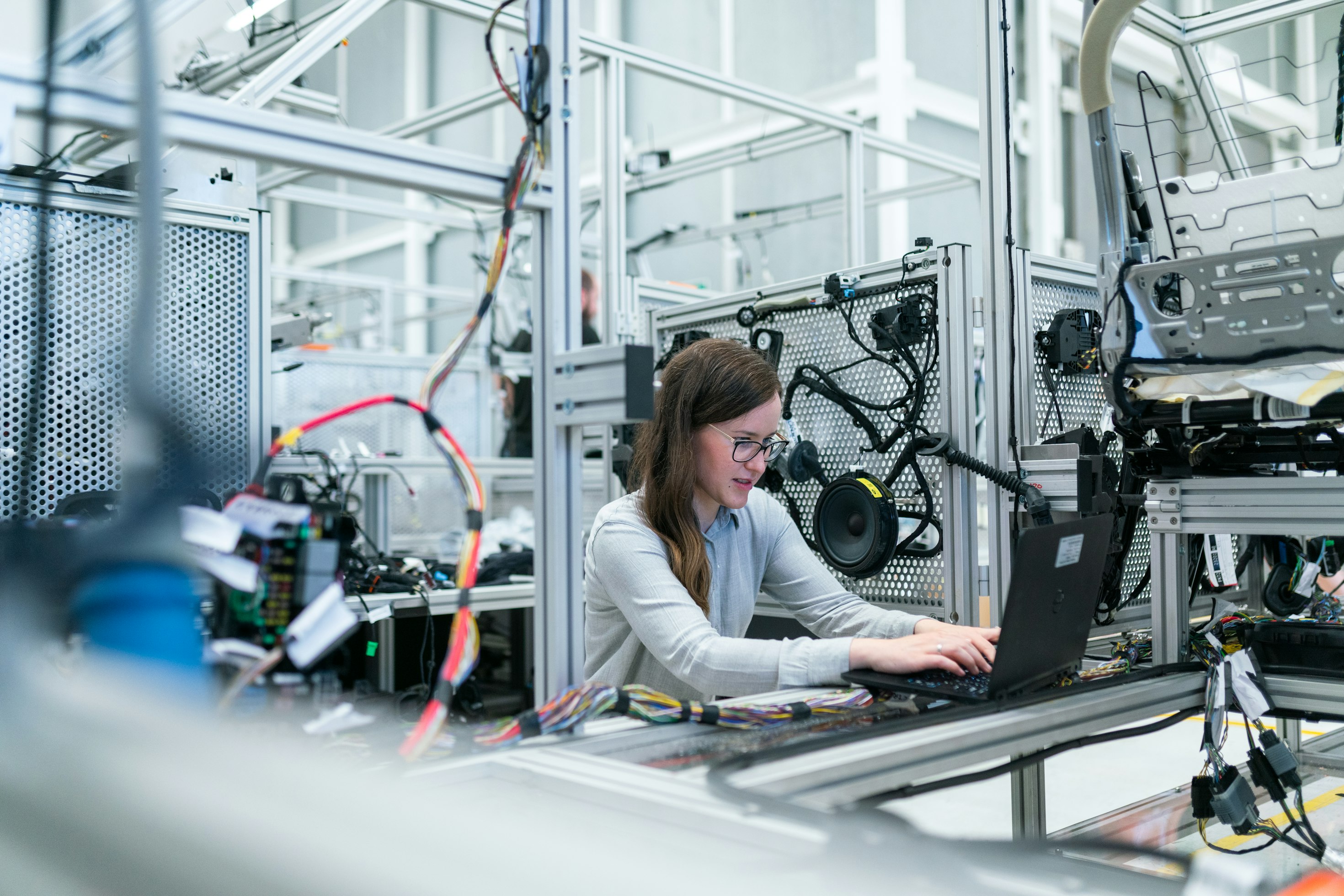
The cloud is an operating model, not just a location. Photo: Innovarte
Edge computing solves this by moving data processing, analytics, and decision-making closer to the source of the data—the "edge" of the network. Instead of sending raw data to the cloud, we deploy edge gateways or ruggedized servers directly on the factory floor or at the remote site.
- Ultra-Low Latency: By processing data locally, we achieve the millisecond response times required for industrial automation and safety systems.
- Bandwidth Optimization: The edge device filters, aggregates, and analyzes the raw data. It only sends the insights (e.g., "machine failure predicted") or a small subset of critical data to the cloud, drastically reducing bandwidth costs.
- Offline Autonomy: This is critical in the South African context. If the connection to the cloud is lost due to load-shedding or network instability, the edge system continues to operate autonomously, ensuring business continuity.
We frequently utilize AWS IoT Greengrass or Azure IoT Edge to deploy containerized microservices and machine learning models directly to these edge devices, maintaining a consistent deployment model from the cloud to the edge.
Machine Learning at the Edge

Technology is a tool, not a strategy. Photo: Innovarte
The most transformative application of edge computing is deploying machine learning models directly to the device (Edge AI). We train complex predictive maintenance models in the cloud using historical data, and then deploy the optimized, compiled model to the edge gateway.
"The cloud is for learning; the edge is for acting."
This allows the edge device to perform real-time inference on high-frequency sensor data without relying on a network connection. For a manufacturing client, we deployed an edge-based computer vision system that inspects products on an assembly line at 60 frames per second, instantly rejecting defective items with zero cloud latency.
Security and Fleet Management

Data drives decisions, but humans provide context. Photo: Innovarte
Managing a distributed fleet of thousands of edge devices presents significant operational and security challenges. These devices are often deployed in physically insecure locations. We implement strict hardware-based security (like TPM chips), encrypt all local data, and utilize mutual TLS for all communications.
Furthermore, we rely on robust fleet management tools to handle over-the-air (OTA) updates, monitor device health, and rotate security certificates automatically. Edge computing is not about replacing the cloud; it's about extending the cloud's capabilities into the physical world, enabling a new class of resilient, real-time applications.
Related Articles

Web3 and the Enterprise: Separating Signal from Noise
A pragmatic look at decentralized technologies and their actual utility for traditional business models.
Read more
The Ethics of Automated Decision Systems
Addressing bias, fairness, and accountability when deploying algorithms that impact human lives and livelihoods.
Read more