
Building High-Performance Engineering Teams
Innovarte Team
Editorial
Culture Eats Strategy for Breakfast
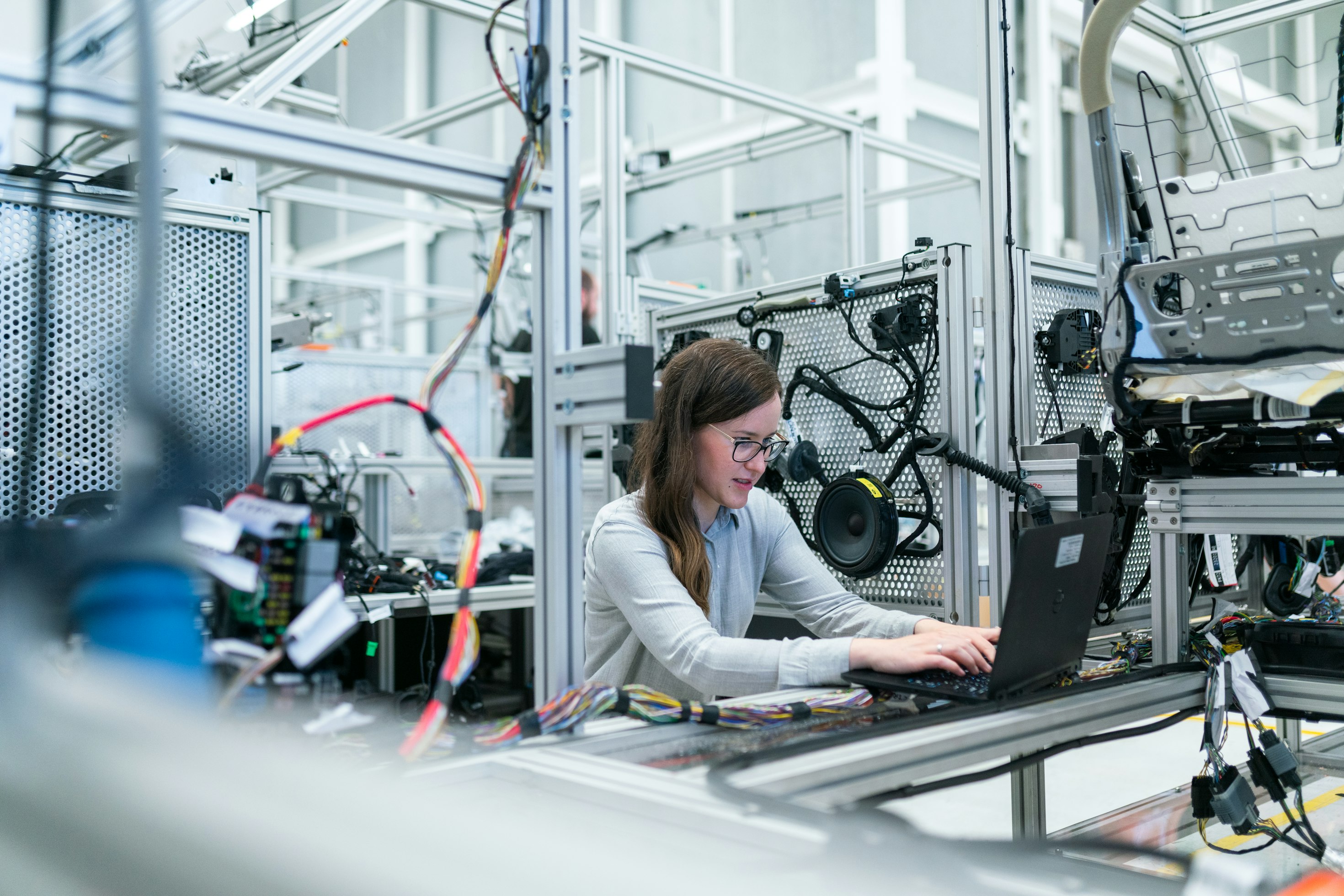
Innovation requires a solid foundation. Photo: Innovarte
You can architect the most elegant microservices platform, deploy the latest Kubernetes clusters, and implement a flawless CI/CD pipeline, but if your engineering team is dysfunctional, the project will fail. In our experience consulting across various enterprises, the primary bottleneck to digital transformation is rarely technology; it is almost always culture and organizational structure.
Building a high-performance engineering team is not about hiring "10x developers" and locking them in a room. It is about creating an environment where competent engineers are empowered to do their best work, free from unnecessary bureaucracy and cognitive overload. It requires deliberate design of both the technical systems and the human systems.
Autonomy, Mastery, and Purpose

The cloud is an operating model, not just a location. Photo: Innovarte
Drawing on the principles of modern organizational psychology, we focus on three core pillars when restructuring engineering departments: autonomy, mastery, and purpose.
- Autonomy: We advocate for cross-functional, autonomous teams (often called "squads" or "pods"). A team should have all the skills necessary—frontend, backend, design, QA—to deliver a feature from concept to production without waiting on external dependencies.
- Mastery: We build cultures of continuous learning. This means allocating dedicated time during sprints for technical debt reduction, providing budgets for training and conferences, and fostering a blameless post-mortem culture where failures are treated as learning opportunities, not punishable offenses.
- Purpose: Engineers need to understand the "why" behind the code. We ensure that technical metrics are explicitly tied to business outcomes. When a developer understands how optimizing a database query directly improves the customer conversion rate, their engagement skyrockets.
In the highly competitive South African tech market, where retaining top talent is a constant struggle, providing this level of empowerment is the most effective retention strategy available.
The Role of the Engineering Manager

Technology is a tool, not a strategy. Photo: Innovarte
A common anti-pattern we see is promoting the best individual contributor to engineering manager and expecting them to succeed without training. Management is a distinct discipline from software engineering. A high-performance team requires a manager who focuses on removing blockers, facilitating communication, and coaching their reports, rather than micromanaging the codebase.
"The output of an engineering manager is not code; it is the combined output of the team they manage."
We work with technical leaders to shift their focus from technical execution to organizational design. This involves implementing clear career progression frameworks, conducting effective one-on-ones, and actively managing team health metrics alongside sprint velocity.
Measuring What Matters: DORA Metrics

Data drives decisions, but humans provide context. Photo: Innovarte
To objectively measure team performance, we implement the DORA (DevOps Research and Assessment) metrics: Deployment Frequency, Lead Time for Changes, Mean Time to Recovery (MTTR), and Change Failure Rate. These metrics provide a balanced view of both speed and stability.
By tracking these metrics, we can identify bottlenecks in the delivery pipeline and objectively demonstrate the ROI of platform engineering initiatives. Building a high-performance team is an ongoing process of iteration and refinement, but it is the ultimate competitive advantage in the digital economy.
Related Articles

Web3 and the Enterprise: Separating Signal from Noise
A pragmatic look at decentralized technologies and their actual utility for traditional business models.
Read more
The Ethics of Automated Decision Systems
Addressing bias, fairness, and accountability when deploying algorithms that impact human lives and livelihoods.
Read more